ESG Model
Strategy
At Grupo Carso, the integration of social, environmental, and governance responsibility goes beyond regulatory compliance; it is what defines our organizational culture and our commitment to sustainability. This commitment extends to preventing corruption and ensuring respect for human rights across all our operations, reflected in the adoption of rigorous policies and training, monitoring, and response initiatives. By adhering to these principles, Grupo Carso aims to lead by example while embedding sustainability across its operations and organizational culture.
We have implemented policies designed to align our operations with best corporate practices. These include our Corporate Human Rights Policy, Anti-Corruption Policy, and Whistleblowing Policy. In addition, we maintain a firmly established Mission and Social Responsibility Policy.
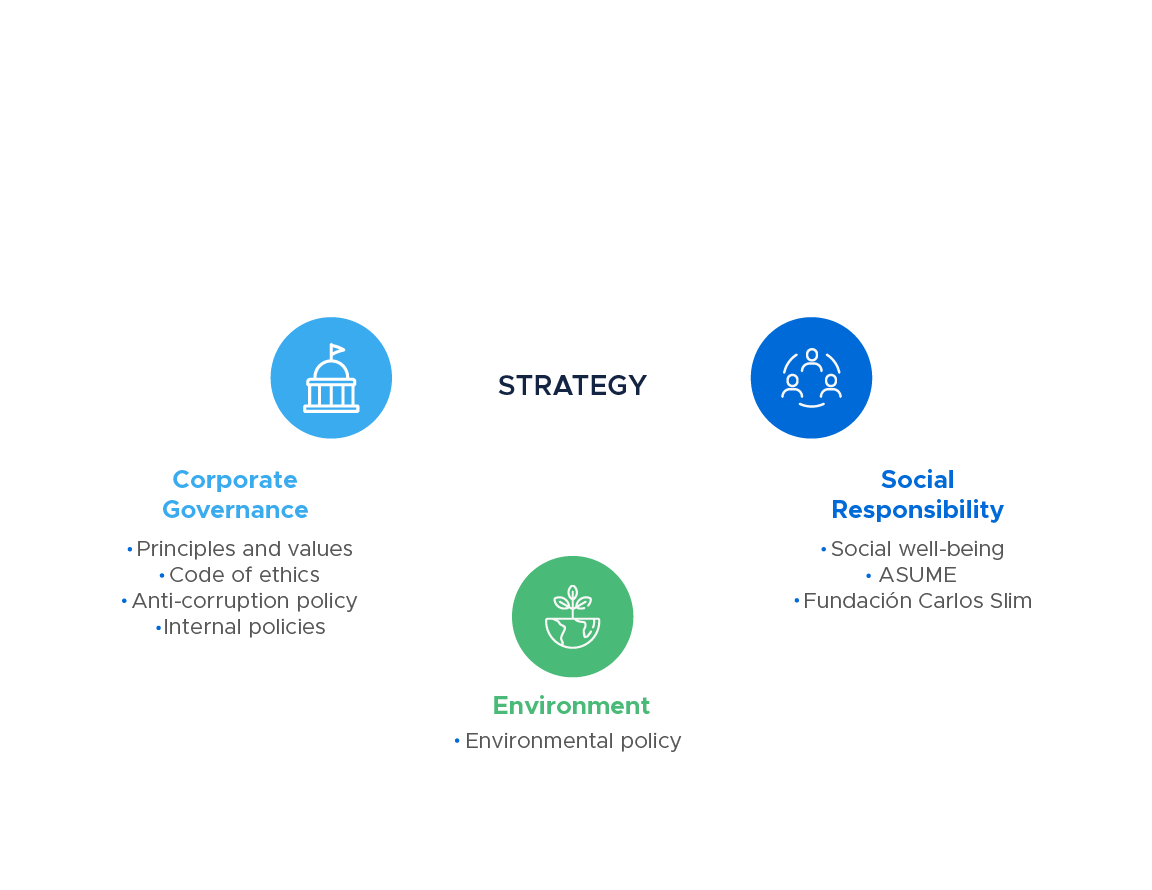
Three fundamental pillars form the essence of our sustainability strategy: social responsibility, respect and care for the environment, and robust and ethical corporate governance. These elements do not operate in isolation; they are interdependent and intrinsically interconnected to form a holistic approach to sustainability, as illustrated in the following diagram:
Materiality
Grupo Carso recognizes that the path toward sustainability requires a deep understanding of our stakeholders’ expectations and a detailed analysis of the impacts of our operations. The first Materiality Study we conducted in 2021 has been essential to identifying the key priority areas that form the basis of our Sustainability Strategy.
In collaboration with the Faculty of Social Responsibility at Universidad Anáhuac del Norte, we undertook a study structured in four key stages:
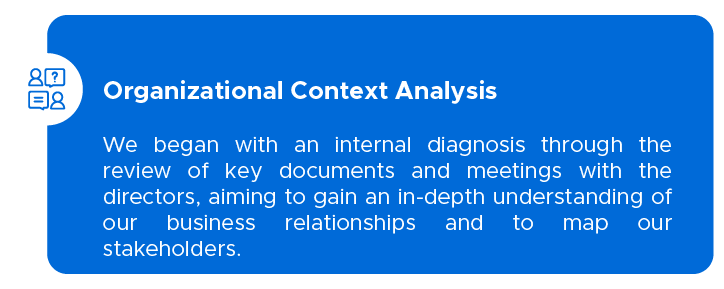
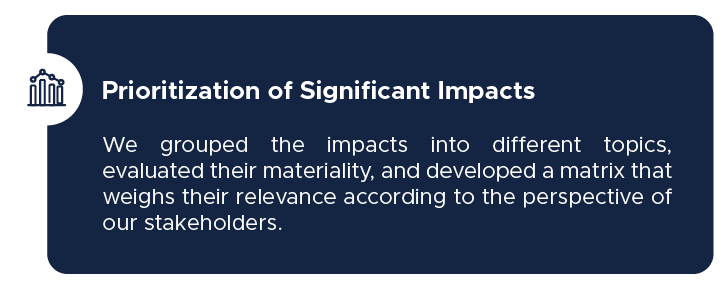
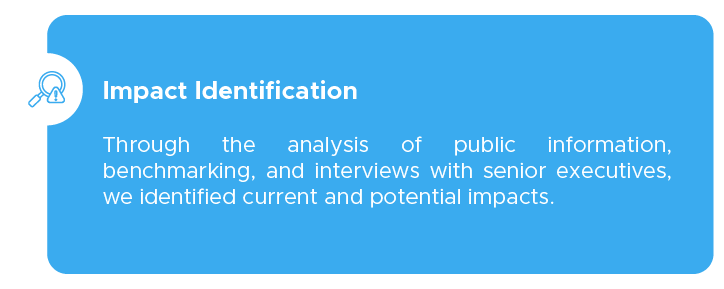
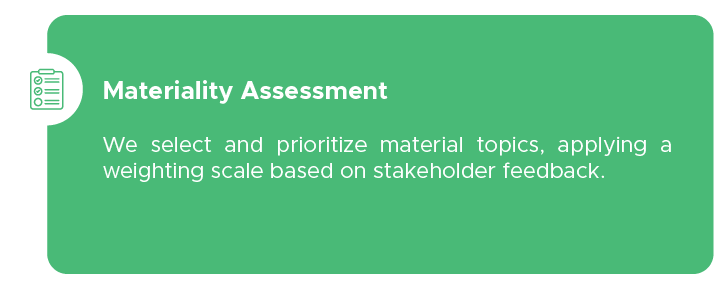
The survey covered 2,495 people, with 80% internal participants and 20% external, covering a broad spectrum from senior management to employees at all levels, as well as customers, suppliers, regulators, and members of affected communities. The result was a Materiality Matrix that classifies 32 general sustainability topics into three levels of importance, highlighting those of greatest relevance through the consultation process.
The material topics defined for Grupo Carso include:



Alignment with the SDGs
Grupo Carso is in the process of aligning its management practices with the Sustainable Development Goals (SDGs), incorporating them as a guiding framework in our operations and corporate strategies. We view contributing to the SDGs as both a responsibility and a strategic opportunity to foster inclusive and sustainable development.
Our efforts concentrate on those SDGs where we can have the greatest impact, based on the nature of our operations and the influence we exert across our value chains. Our commitment to these goals is deep and multidimensional, ranging from the eradication of poverty and hunger to the promotion of affordable and clean energy.
The Fundación Carlos Slim, through the Carso Comprehensive Health Program (PSIC), implemented the digital strategy MIDO (Integrated Measurement for Early Detection) at the Group's work centers. This tool makes it possible to carry out systematic assessments of employees' health, favoring the early identification of conditions such as diabetes and hypertension. Complementarily, the Salud Inteligente application drives self-care practices and personal follow-up, providing guidance for the adoption of healthy habits.
Through the Fundación Telmex-Telcel, educational support is provided to undergraduate, master's, and doctoral students in various states of the country, directed at Grupo Carso employees and their direct family members. These scholarships recognize outstanding academic performance and participation in extracurricular activities, such as sports, cultural, or editorial disciplines. During their first year, beneficiaries are part of the ASUME program (Asociación de la Superación por México), strengthening their comprehensive development. Through this initiative, human development is promoted, while at the same time fostering the balanced improvement of eight essential human aspects.
Through our actions oriented toward water conservation, we promote efficient use and responsible management of this resource. To this end, we incorporate treated or reused water in various operations, including Sanborns restaurants, Condumex plants, construction projects, and cement and building-systems plants, thereby contributing to the optimization of our water consumption.
We channel investments toward initiatives linked to renewable energy, among them the Samalayuca-Sásabe, Waha-Presidio, and Waha-San Elizario gas pipelines for the transportation of natural gas, as well as the operation of hydroelectric plants in Panama and geothermal-energy projects. Complementarily, we promote energy-efficiency criteria in the development of civil construction, with the purpose of strengthening access to more sustainable energy solutions.
We foster safe work environments and conditions that favor the improvement of our employees' quality of life, including competitive compensation schemes and various development programs. Likewise, we promote the strengthening of competencies through free courses and specialized training, directed at both employees and the general public, through the Capacítate para el Empleo platform.
We develop technological solutions in research, development, and applied-engineering projects through the Carso Research and Development Center (CIDEC). Likewise, we channel investments toward innovative infrastructure for civil construction. In parallel, we promote industrialization processes under sustainability criteria through the operation of cable and harness manufacturing plants certified under ESG standards, integrated into the supply chain of original equipment manufacturers (OEMs) in the auto-parts sector.
Grupo Carso generates value through its participation in tenders linked to construction, infrastructure, and energy projects, identifying business opportunities with a long-term vision. In this process, it maintains an approach oriented toward contributing to the reduction of social gaps, both nationally and internationally. Likewise, it promotes the incorporation of gender-equity and diversity principles into its policies and decision-making processes.
We drive the reconversion of underutilized assets into developments oriented toward the creation of sustainable urban environments, contributing to improving quality of life in the communities where we operate. These spaces, previously destined for industrial uses or landfills, have been transformed into comprehensive complexes that incorporate housing, commercial areas, cultural spaces, and other urban-renewal initiatives, thereby strengthening the social structure and local development.
We incorporate circular-economy criteria into the production of cables, cement, and construction materials, oriented toward the reduction of waste and the use of recycled materials. Likewise, we foster responsible-consumption practices in our stores and restaurants, while optimizing logistics processes to reduce delivery times and minimize returns in digital channels. Finally, we carry out comprehensive waste management across the different operating units.
We reaffirm our commitment to addressing climate change through actions focused on reducing carbon emissions, the responsible use of resources, and the adaptation of our operations to the natural environment. Likewise, we promote the certification of energy-efficiency standards at our automotive harness and cable manufacturing plants. Complementarily, we monitor greenhouse gas (GHG) emissions at various work centers as part of systematic climate management, which makes it possible to identify the main emission sources and define concrete measures to reduce our environmental impact.
We collaborate with various actors, including governments, companies, and civil-society organizations, to drive initiatives that generate sustainable, long-term impacts. Complementarily, we have a Code of Ethics applicable to suppliers and contractors, which establishes explicit provisions to prevent acts of corruption, bribery, or any form of improper payment.