Governance
Commitment
At Grupo Carso, our commitment to robust and ethical corporate governance is reflected in the adoption of practices that promote transparency, accountability, and fairness across all our operations. As an entity listed on the Mexican Stock Exchange, Grupo Carso operates in compliance with the Mexican Securities Market Law and its bylaws, and complies with the Code of Principles and Best Practices of Corporate Governance of the Business Coordinating Council. This framework includes guidelines on conflicts of interest, information transparency, and due diligence.
Governance Structure
Grupo Carso’s governance structure is headed by a Board of Directors and senior management led by the Chief Executive Officer, supported by management teams across its subsidiaries, composed of experienced professionals. To ensure compliance with both national and international legislation, the Group maintains a robust legal function and external advisors through multiple disciplines.
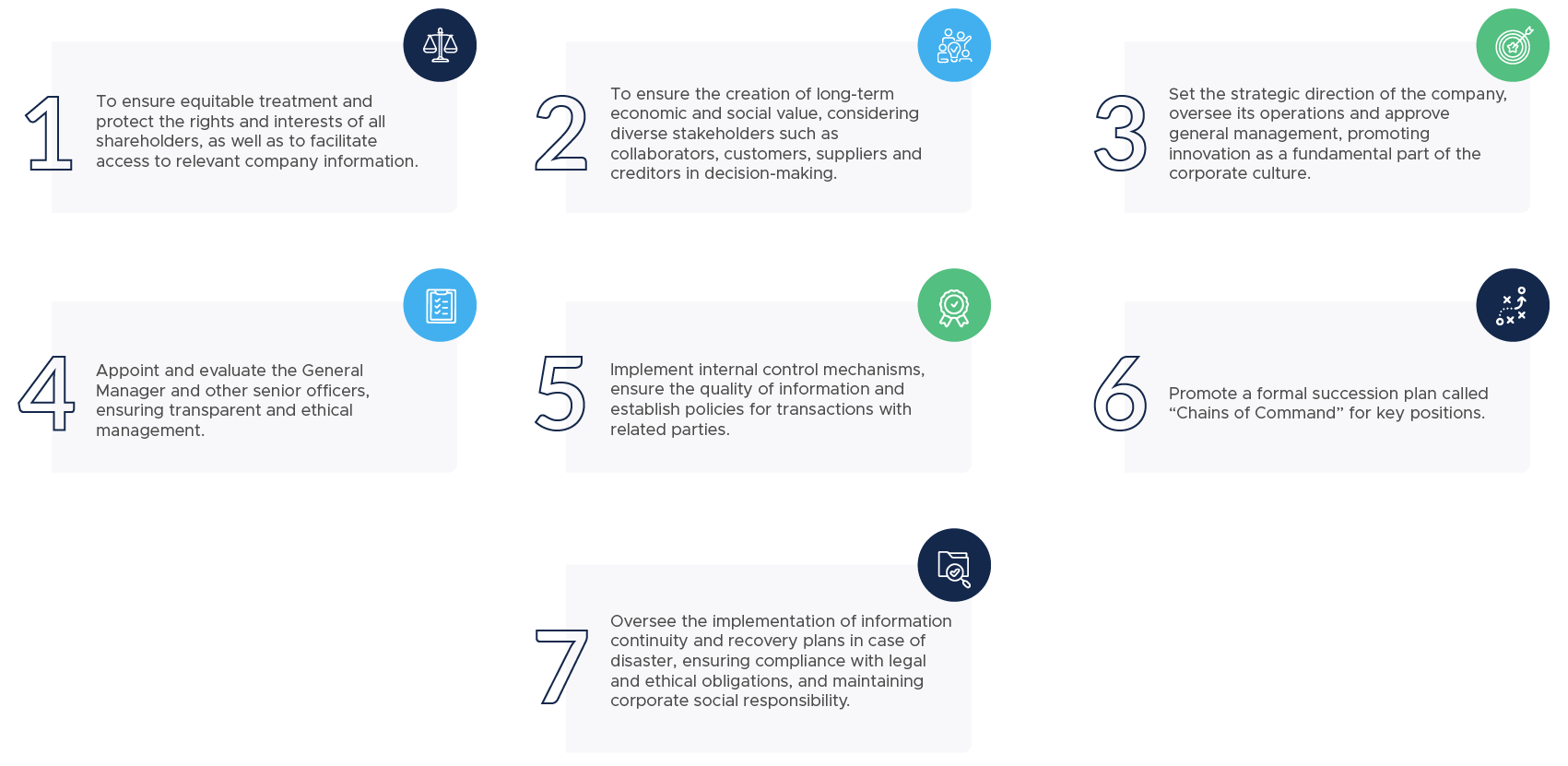
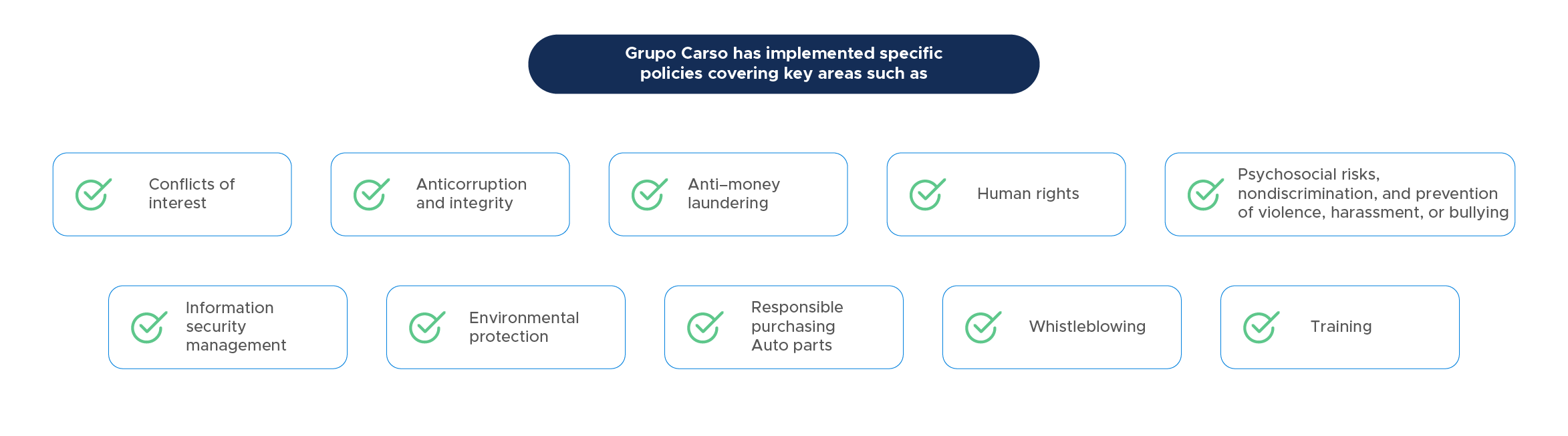
Grupo Carso’s governance structure includes specialized committees that report to the Board of Directors, such as the Audit Committee and the Corporate Practices Committee, among others. These committees, composed of Board members and independent experts, ensure effective oversight and implementation of the Group’s policies. This approach supports decision-making based on business ethics, respect for human rights, and a long-term sustainability vision. In addition, Grupo Carso has implemented clear and robust policies on diversity and inclusion, conflict of interest, and anti-corruption, strengthening its commitment to responsible corporate governance.
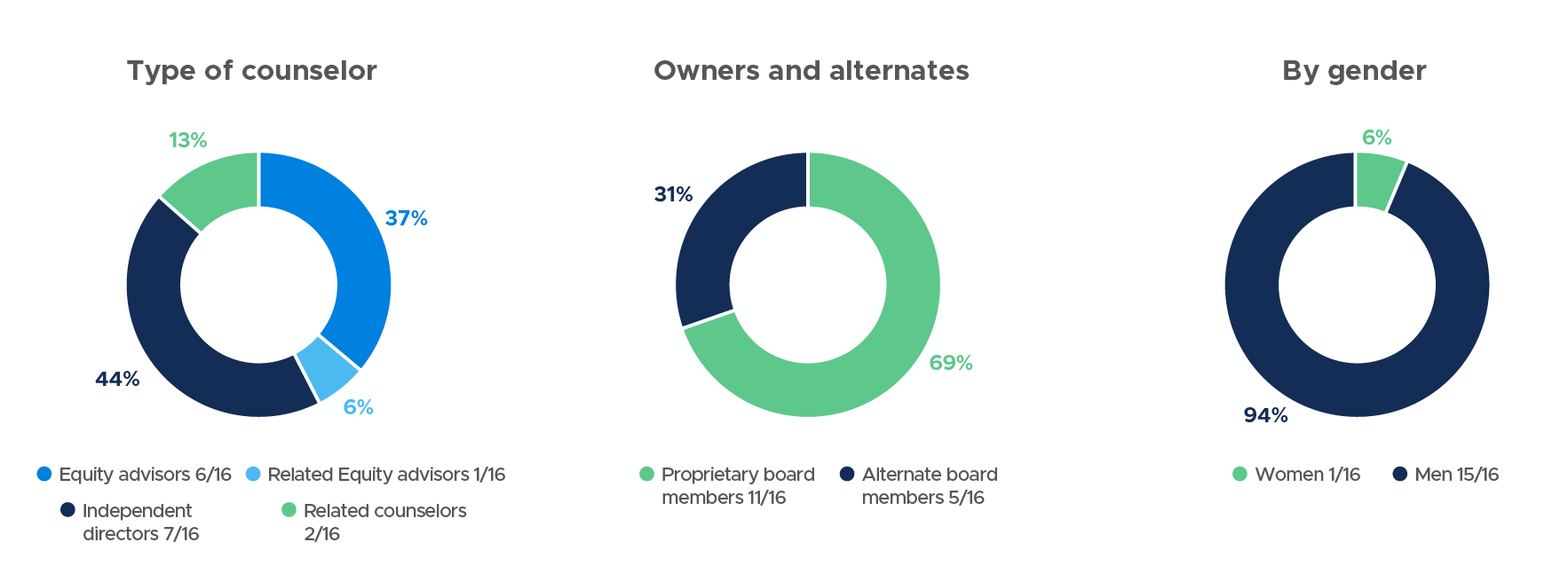
At the end of 2025, Grupo Carso’s Board of Directors was composed of 16 directors (primary and alternate), as shown below:
Integrity, Transparency, and Compliance
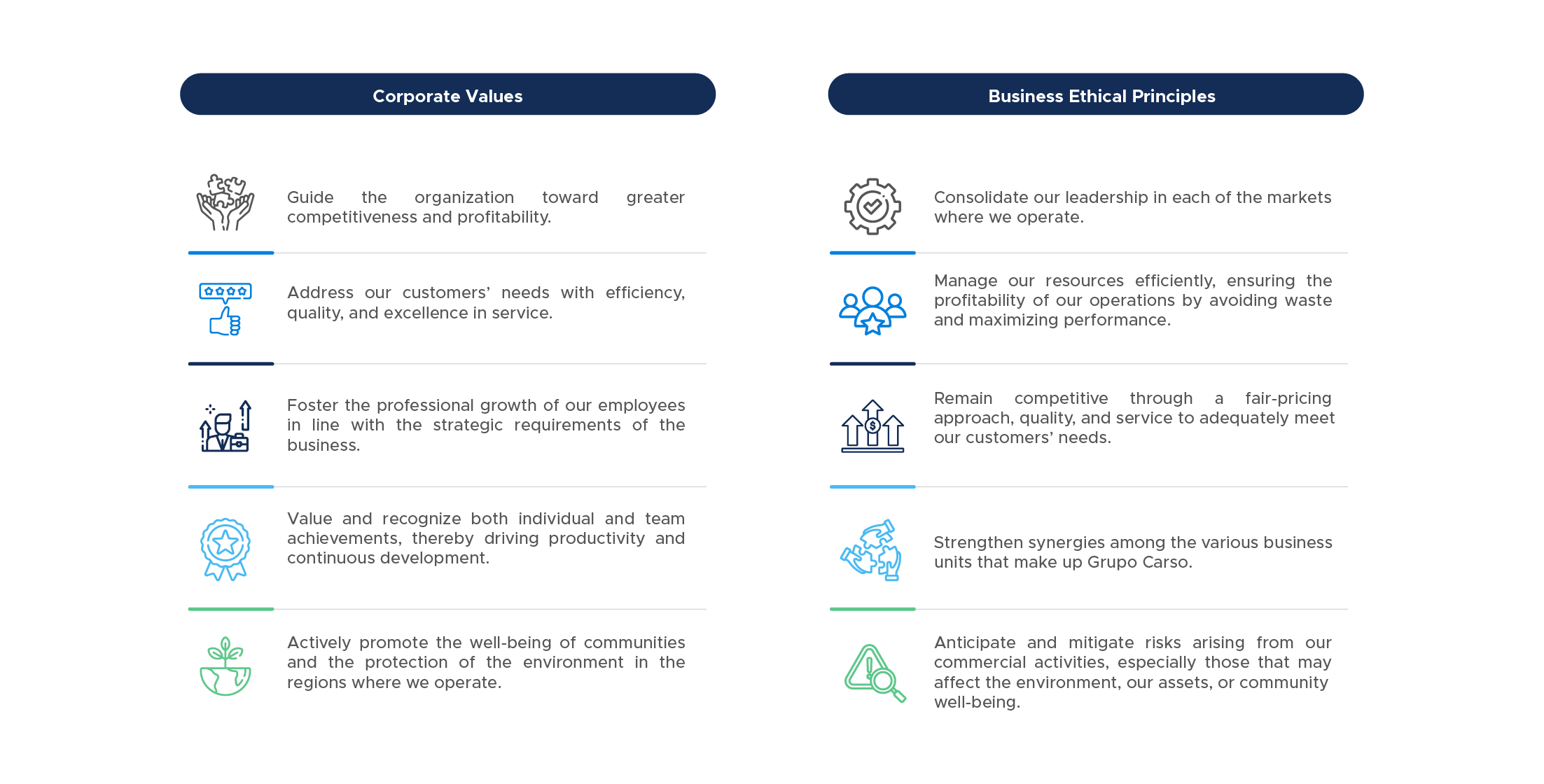
At Grupo Carso, integrity, transparency, and regulatory compliance are fundamental to the organization’s corporate culture and are essential to maintaining the trust of shareholders, employees, customers, and society at large. Aligned with these principles, Grupo Carso has established a Code of Ethics and related policies that govern the conduct of all members of the organization. These policies promote conduct based on respect, honesty, and integrity, thereby ensuring the proper management of conflicts of interest, the prevention of corruption, and the protection of human rights.
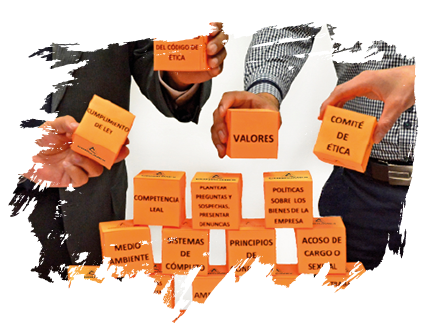
Grupo Carso’s Code of Ethics defines the principles that govern ethical conduct toward all our stakeholders. This publicly available document is communicated to all employees through the “Capacitate Carso” digital platform.
Training begins when new employees join the company, with an induction program based on the Code of Ethics as an integral part of their onboarding process. The platform offers interactive modules accessible to all employees, regardless of their geographic location or roles within the company. These modules address key topics of ethical conduct and prepare personnel to respond appropriately to complex workplace situations.
Grupo Carso has established robust procedures to prevent and manage conflicts of interest, ensuring transparent conduct toward all its stakeholders. These procedures include the timely identification and disclosure of potential conflicts, including those related to cross-participation on boards of directors and shared shareholding structures.

Grupo Carso’s Whistleblowing Policy is designed to provide accessible, secure, and confidential communication channels so that employees, suppliers, customers, and other stakeholders can report, without fear of retaliation, any instances of inappropriate conduct or breach of the Code of Ethics and other corporate policies.
The system includes the Transparency Mailbox (whistleblowing channel), available on the corporate website, which enables anonymous reporting. This channel safeguards the confidentiality of the whistleblower and ensures secure recording of all communications. Additional reporting channels are available, such as specific telephone lines and email addresses, to facilitate access to the process.

Grupo Carso has established policies focused on environmental protection and regulatory compliance. Although preventive measures are in place, the activities of our industrial subsidiaries may result in environmental impacts. For this reason, specific remediation plans and grievance mechanisms have been put in place, supervised by the corresponding governance bodies. These actions include the allocation of resources necessary to mitigate such impacts responsibly.
Each function and role within the organization has defined responsibilities to strengthen the highest standards of integrity. Effective collaboration across these stakeholders is key to ensuring transparency, promoting an ethical culture, and preserving the trust of all stakeholders.
